Magamba Eco-Cultural Tourism Usambara
Come as a visitor Leave as a friend.
Mazubai Forest Tour
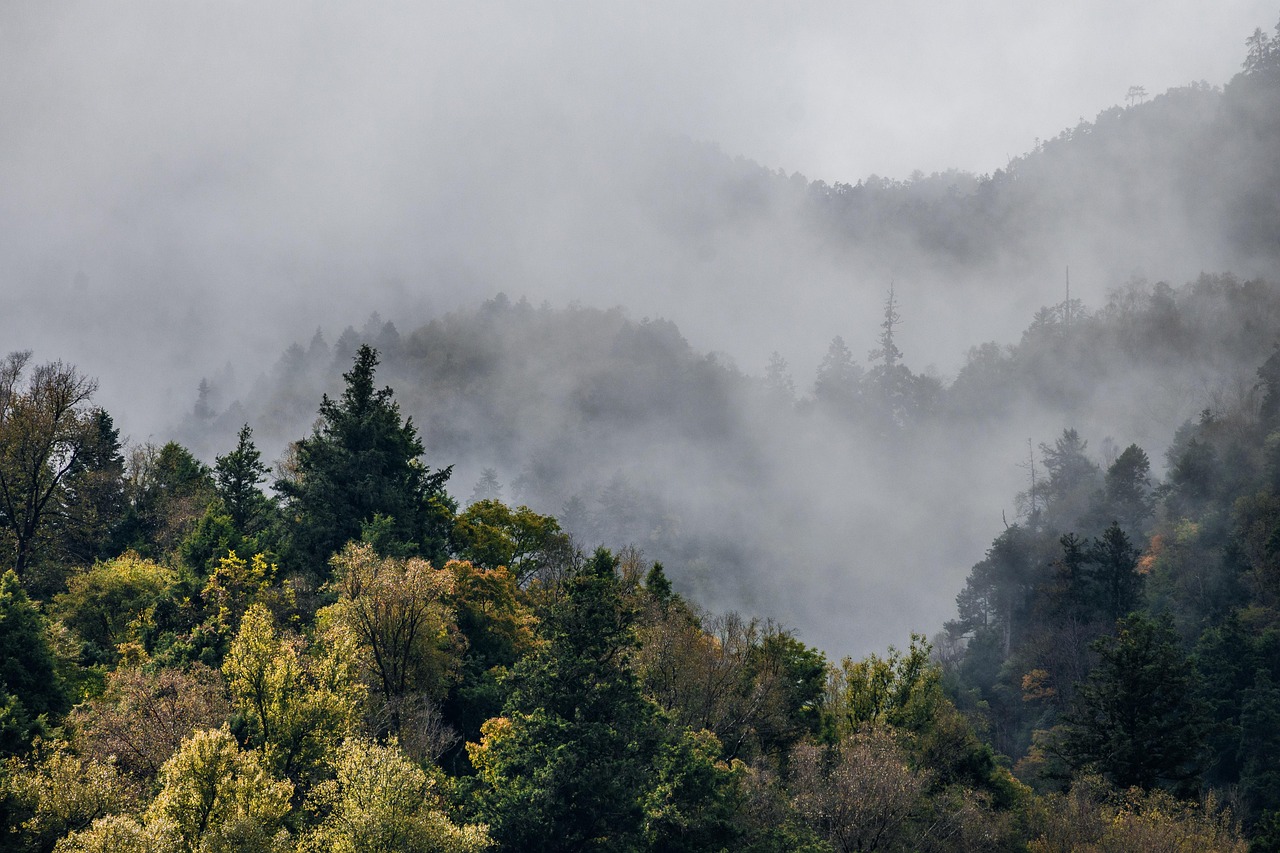
Mazumbai Forest is one of the most important tropical montane forests in the West Usambara Mountains of Tanzania. Located near Lushoto, this forest is part of the globally recognized Eastern Arc Mountains, often called one of the most important biodiversity hotspots in Africa.
The forest is protected and managed in collaboration with the Sokoine University of Agriculture, and it is widely used for research, conservation, and education. Students and scientists from around the world visit Mazumbai to study tropical ecology, forest regeneration, and species diversity.
History of Mazumbai Forest
Mazumbai has a long history connected to conservation and scientific research:
The forest has been protected for decades as a private and research forest reserve.
It became a key study site for both Tanzanian and international universities.
Scientists have been working in Mazumbai for over 100 years, especially studying plants, amphibians, and forest ecology.
Some species discovered here were even named after early researchers and landowners who supported conservation.
Because of this strong conservation history, Mazumbai remains one of the best-preserved forests in the West Usambara, compared to many areas that have experienced deforestation.
What Makes Mazumbai Unique?
1. Ancient Forest of the Eastern Arc
Mazumbai is part of the Eastern Arc Mountains, a chain of ancient forests older than most African ecosystems. These forests have remained stable for millions of years, allowing rare species to evolve and survive only here.
2. High Endemism (Species Found Nowhere Else)
Mazumbai and the West Usambara forests are home to:
Endemic birds like Usambara weaver and sunbirds
Unique plants including rare orchids across different altitudes
Special forest trees such as Newtonia, Albizia, and Allanblackia
Many species you see here cannot be found anywhere else in the world.
3. A Living Laboratory
Mazumbai is considered one of the best tropical forest study sites. Researchers use it to:
Study biodiversity
Monitor climate change
Understand forest regeneration
This makes your visit not just a tour but a connection to real conservation work.
Amphibians of Mazumbai (Special Attraction for Nature Lovers)
Mazumbai is extremely rich in amphibians, many of which are endemic and endangered.
Some important species include:
Mazumbai Warty Frog
Found only in West Usambara forests, including Mazumbai. It lives in moist forest floors and trees and is currently endangered due to habitat loss.
Tanner’s Squeaker
A rare frog discovered in Mazumbai and named after early conservation supporters.
Tanner’s Reed Frog
A critically endangered species only found in this region.
These species make Mazumbai a top destination for amphibian research and eco-tourism.
Snakes & Reptiles
Mazumbai hosts a variety of reptiles including:
Forest-dependent snakes (non-aggressive and rarely seen)
Chameleons unique to the Usambara ecosystem
Small lizards adapted to humid forest life
These reptiles are important for maintaining the ecosystem balance.
Insects & Forest Life
Mazumbai is also rich in insect life:
Beautiful butterflies including high-altitude species
Beetles, ants, and forest pollinators
Many species still not fully studied
In nearby Usambara forests, over 100 insect species have already been recorded, and new ones continue to be discovered.
This makes Mazumbai a paradise for:
Researchers
Photographers
Nature lovers
How Many Days Should Visitors Stay?
For the best experience, we recommend:
2–3 Days (Recommended)
1 day: Forest exploration & bird watching
1 day: Amphibian and night walk experience
Optional: Cultural experience in Magamba village
4–5 Days (For Researchers & Deep Experience)
Detailed biodiversity exploration
Birding + amphibians + insects
Village life experience with Magamba community
Invitation from Magamba Eco-Cultural Tourism
At Magamba Eco-Cultural Tourism, we warmly invite visitors, researchers, and nature lovers to explore
Mazumbai Forest with us.
We offer:
Guided forest walks
Bird watching tours
Amphibian and night walks
Cultural experiences in Magamba village
Our guides are local and deeply connected to the forest, ensuring you experience Mazumbai in a real, authentic, and educational way.
Why Combine Mazumbai with Magamba Forest
You experience both nature and culture
Support local community livelihoods
Learn directly from people who live with the forest